What to Do After Water Damage: How to Prevent Mold, Odors, and Bigger Problems
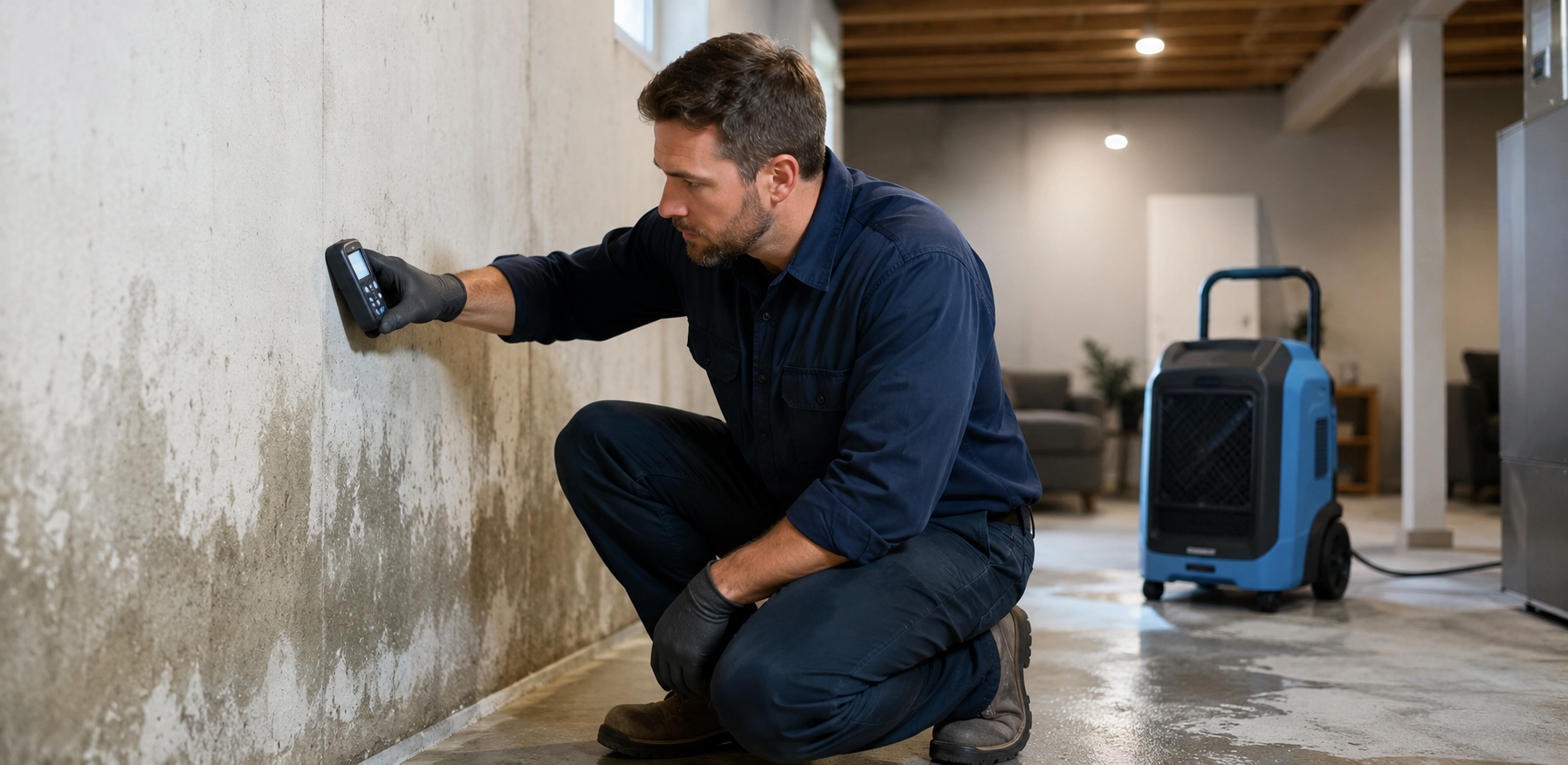
Water damage is one of those home problems that can look small at first but turn into something much bigger if it is not handled quickly. A leaking water heater, sump pump failure, roof leak, burst pipe, appliance overflow, or flooded basement can leave behind moisture in places you cannot easily see. Even when the visible water is gone, damp drywall, carpet padding, baseboards, insulation, wood framing, and flooring can continue holding moisture.
That hidden moisture is where problems begin.
One of the biggest concerns after water damage is mold. According to the EPA, wet or damp materials should be dried within 24 to 48 hours whenever possible because mold is less likely to grow when materials are dried quickly. That short window is why homeowners should act fast after any leak, flood, or moisture problem.
At OMG Sanitized, we help homeowners and businesses identify moisture problems, address mold concerns, remove odors, and restore healthier indoor spaces. Whether you are dealing with a wet basement, musty smell, visible mold, or lingering odor after a flood, the sooner you respond, the better chance you have of avoiding expensive repairs.
Why Water Damage Gets Worse So Quickly
Water does not stay where you can see it. It moves under flooring, behind trim, into wall cavities, under cabinets, and into porous building materials. Carpet may feel dry on top while the padding underneath is still soaked. A wall may look normal while the inside cavity remains damp. A basement may seem “mostly dry” while humidity levels stay high enough to support microbial growth.
The danger is not just the standing water. It is the moisture that remains after the cleanup.
When moisture sits inside building materials, it can create conditions for:
Mold growth
Musty odors
Poor indoor air quality
Staining and discoloration
Warped flooring
Damaged drywall
Weakened structural materials
Recurring moisture problems
This is why simply mopping up water or placing a household fan in the room is usually not enough after a serious water event.
First Steps to Take After Water Damage
The first thing to do after water damage is make sure the area is safe. Do not walk into standing water if there may be electrical hazards. If the water came from a sewage backup, floodwater, or contaminated source, avoid direct contact and call a professional.
Once the area is safe, take these steps:
1. Stop the Water Source
If the water is coming from a pipe, appliance, toilet, sink, or water heater, shut off the water supply. If the source is a roof leak or exterior seepage, try to limit more water from entering until repairs can be made.
2. Remove Standing Water
Standing water should be removed as quickly as possible. For smaller spills, towels and a wet vacuum may help. For larger water damage, professional extraction equipment is often needed.
If your property has experienced major flooding, visit our Flood Restoration page to learn how OMG Sanitized can help with cleanup and recovery.
3. Remove Wet Items
Move wet rugs, boxes, furniture, clothing, and personal belongings away from the affected area. Porous materials can trap moisture and odors quickly.
Cardboard boxes are especially vulnerable because they absorb water fast and can become a food source for mold.
4. Start Drying Immediately
Air movement and dehumidification are critical. Fans alone may move air, but they do not always remove enough moisture from the room. Dehumidifiers help pull moisture out of the air and affected materials.
For carpeted rooms, drying the carpet surface is not enough. Carpet padding can hold moisture underneath, which may lead to odors or mold if not handled properly.
OMG Sanitized also provides Carpet Cleaning services that can help refresh carpets after moisture, odors, or contamination concerns have been addressed.
5. Watch for Mold Warning Signs
Mold is not always visible right away. In many cases, the first sign is a smell. A musty, earthy, damp odor after water damage often means moisture is still present somewhere.
Common warning signs include:
Musty odors
Dark spots on walls or ceilings
Discoloration near baseboards
Peeling paint or bubbling drywall
Allergy-like symptoms indoors
Condensation or high humidity
Soft drywall or warped flooring
When these signs appear, a professional inspection is the safest next step.
Why Mold Inspection Matters After a Leak or Flood
A mold problem can be obvious, but it can also be hidden behind walls, under flooring, above ceiling tiles, or inside HVAC-adjacent areas. That is why guessing is risky.
A professional Mold Inspection can help determine whether mold or moisture is present and where the issue may be coming from. The goal is not just to look at visible surfaces. It is to identify the conditions that allowed the problem to happen in the first place.
This matters because mold cleanup without moisture control is only a temporary fix. If the source of moisture remains, the problem can return.
A proper mold inspection may involve checking:
Basements and crawl spaces
Bathrooms and kitchens
Attics and roof leak areas
Walls near plumbing lines
HVAC-related moisture areas
Carpet and flooring
Humidity levels
Areas with persistent odors
If you smell mold but cannot see it, do not ignore it. Odor is often one of the earliest signs that water damage has not been fully resolved.
When Water Damage Turns Into Mold Remediation
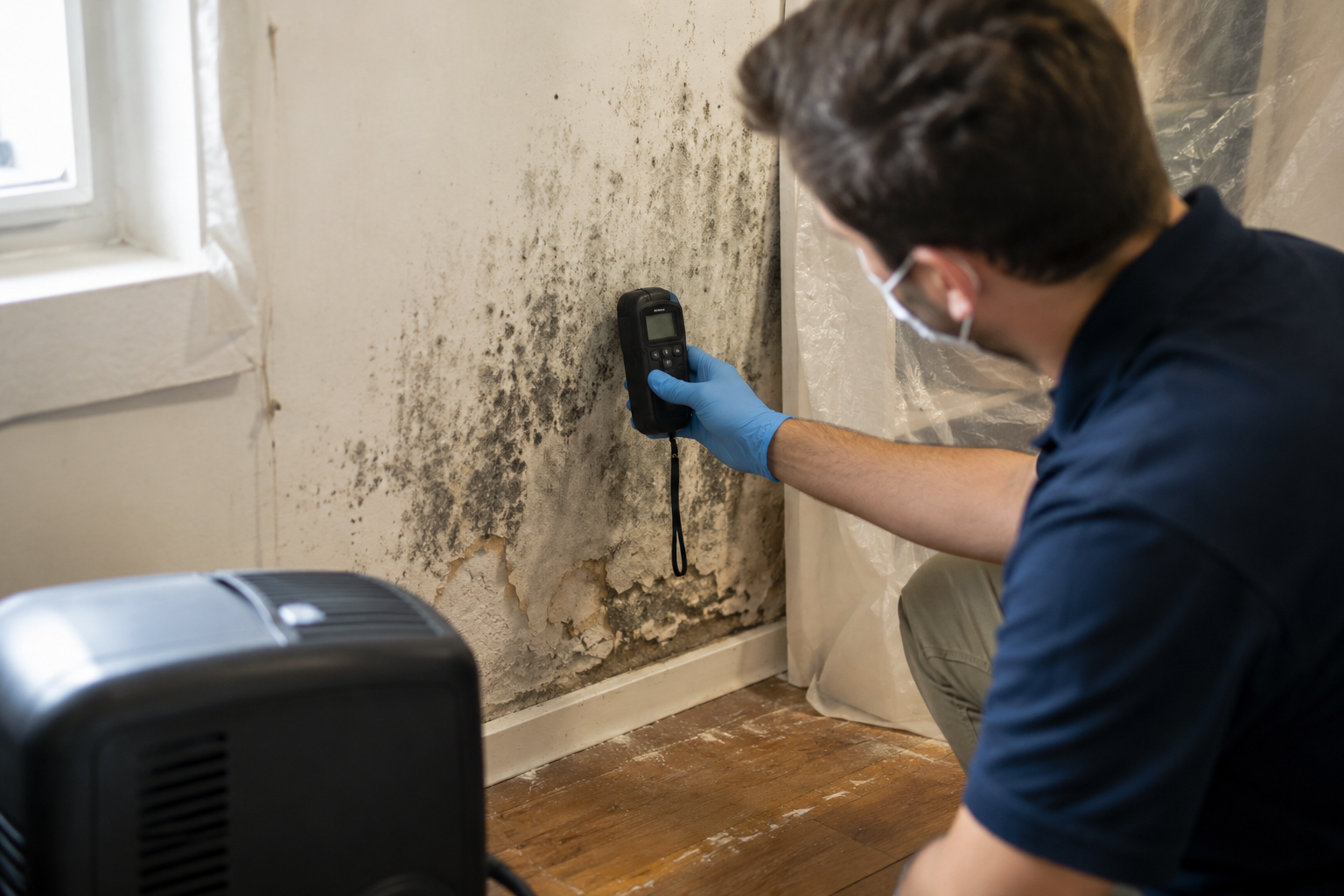
If mold is found, it needs to be handled correctly. Spraying bleach on the surface is not a proper solution for many building materials, especially porous materials like drywall, wood, carpet padding, and insulation.
Mold remediation focuses on safely addressing affected materials, controlling contamination, reducing airborne spread, and correcting the conditions that allowed mold to grow.
OMG Sanitized provides professional Mold Remediation services for homes and businesses dealing with mold after leaks, floods, humidity problems, or hidden moisture.
Professional remediation may be needed when:
Mold covers a large area
Mold keeps coming back
The source of moisture is unknown
Water damage affected drywall or flooring
A musty smell remains after cleanup
Someone in the property has allergies, asthma, or respiratory sensitivity
The property is being sold, rented, or renovated
Mold should be treated as both a property issue and an indoor air quality issue. The visible growth is only part of the problem. The conditions behind it matter just as much.
Do Not Ignore Musty Odors After Water Damage
A musty smell after water damage is a major warning sign. Even if everything “looks dry,” odors can remain trapped in porous materials, carpet, furniture, walls, and air spaces.
Odor problems after water damage can come from:
Mold growth
Bacteria
Wet carpet padding
Damp drywall
Contaminated floodwater
Humidity trapped indoors
Organic material breaking down
Air fresheners, candles, and sprays may temporarily cover the smell, but they will not fix the source. If the odor keeps coming back, the underlying moisture or contamination problem likely still exists.
For persistent smells, OMG Sanitized offers Odor Removal services designed to target the source of the odor instead of just masking it.
How Exterior Cleaning Can Help Prevent Moisture Problems
Not all water damage starts inside the home. Clogged gutters, dirty siding, algae growth, poor drainage, and buildup around exterior surfaces can contribute to moisture problems over time.
Routine exterior cleaning can help reduce buildup that traps moisture against surfaces. Our Pressure Washer Service can help clean exterior areas and improve the overall appearance of your property.
While pressure washing is not a substitute for waterproofing or drainage repair, it can be part of a larger maintenance plan that keeps your home cleaner and easier to inspect.
Why Fast Action Saves Money
The longer water damage sits, the more expensive the repair can become. What starts as a small leak can lead to drywall removal, flooring replacement, mold remediation, odor treatment, and indoor air quality concerns.
Fast action helps reduce:
Material damage
Mold risk
Odor problems
Insurance complications
Business interruption
Health-related concerns
Long-term repair costs
Homeowners often wait because they hope the issue will dry on its own. Unfortunately, hidden moisture can stay trapped long after the surface feels dry. That is why professional moisture assessment is so valuable.
When to Call OMG Sanitized
You should contact OMG Sanitized if you are dealing with any of the following:
A flooded basement
Water damage from a leak or appliance
A musty smell that will not go away
Visible mold
Mold after water damage
Damp carpet or flooring
Moisture stains on walls or ceilings
Indoor air quality concerns
Odors after flooding
A property that needs inspection before sale or rental
Our team can help identify the issue, explain your options, and recommend the right solution for your home or business.
Learn more about our process and company on our About Us page, or explore The OMG Solution to see how we approach cleaner, safer indoor environments.
Final Thoughts
Water damage should never be treated as a simple surface cleanup. Even a small amount of moisture can create problems if it gets trapped behind walls, under floors, or inside porous materials. Mold, odors, and poor indoor air quality are often signs that the original water problem was not fully resolved.
The best thing you can do is act quickly. Remove water, dry affected areas, watch for warning signs, and call a professional when the damage is more than a minor spill.
If your home or business has water damage, mold concerns, or a musty odor, OMG Sanitized is ready to help.
Contact OMG Sanitized today to schedule an inspection or service.
FAQ
How fast can mold grow after water damage?
Mold can begin developing when wet or damp materials are not dried quickly. The EPA recommends drying wet materials within 24 to 48 hours whenever possible to help prevent mold growth.
Is a musty smell after water damage a sign of mold?
A musty smell can be a sign of mold, moisture, or bacteria trapped in wet materials. Even if mold is not visible, persistent odors after water damage should be inspected because moisture may still be hidden behind walls, under floors, or inside carpet padding.
Can I clean mold myself after a flood?
Small surface areas may sometimes be cleaned by homeowners, but professional help is recommended when mold covers a larger area, keeps coming back, involves contaminated water, or affects drywall, flooring, insulation, or HVAC-related spaces. A professional mold inspection can help determine the safest next step.
Why does my basement smell musty even after it dried?
A basement can smell musty after water damage if moisture remains trapped in porous materials, carpet padding, baseboards, drywall, or stored belongings. High humidity can also keep odors active. Odor removal should focus on finding and correcting the source, not just covering the smell.
What should I do first after my basement floods?
First, make sure the area is safe and avoid standing water if electrical hazards may be present. Then stop the water source if possible, remove standing water, move wet belongings, start drying the area, and contact a flood restoration or mold inspection professional if moisture has affected building materials.
Does homeowners insurance cover mold after water damage?
Coverage depends on your policy and the cause of the water damage. Sudden events, such as a burst pipe, may be handled differently than long-term leaks or maintenance issues. Document the damage with photos, save receipts, and contact your insurance provider as soon as possible.